- Bottom of the Ninth
- Posts
- 📉 What the Hell Happened to Lululemon?
📉 What the Hell Happened to Lululemon?
Plus, the NFL's biggest failed experiment

Tyler Webb
January 30, 2026

I’m hiring!
A peek behind the curtain for you; I’m not a solo creator. In fact, between multiple editors, videographers, bookkeepers, and content managers, I’m interacting with up to 6 different people every single day that make my content machine run.
And I’m looking for more help! If you think that could be you, I’ll have more information at the end.
In today’s newsletter:
🗞 The Big Story: What the Hell Happened to Lululemon?
📉 Biggest Loser: The NFL’s Biggest Failed Experiment
🏆 Winner’s Circle: Why Does Every Stadium Look Like This?
🗞 The Big Story
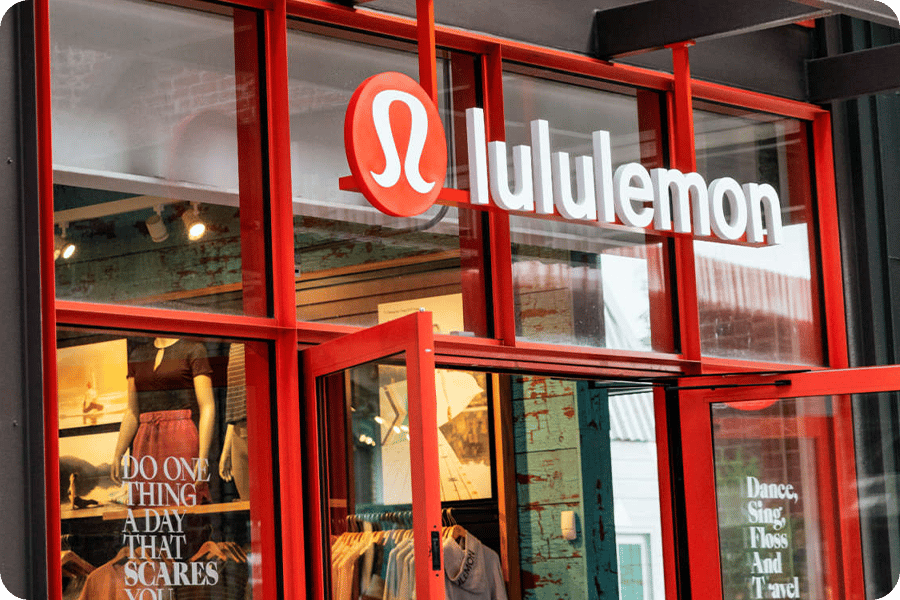
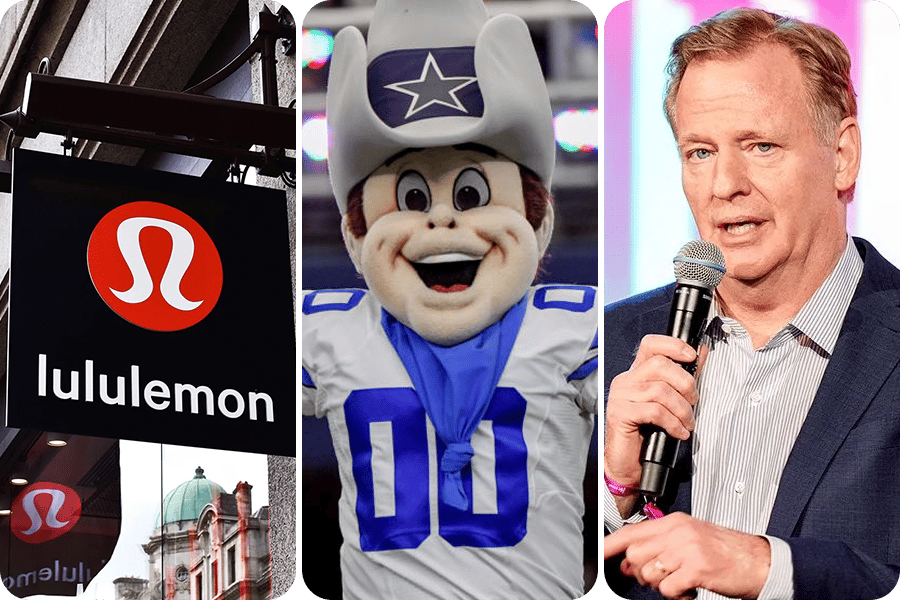
What the hell happened to Lululemon? Because just 2 years ago, it was the third-largest sportswear brand in the world behind only Nike and Adidas, but since then, it’s had one of the worst declines in the entire industry.
However, the reason why is actually a lot more complex than you might think.
Brand Origin: Lululemon was actually founded in 1998 by Chip Wilson, who took a yoga class and realized that most women lacked comfortable, breathable workout clothing. So, he got to work designing the company’s very first product, a pair of black stretchy leggings called “yoga pants,” which quickly gained popularity among yogis and athletes alike.
And since there was virtually nothing else like it on the market, the brand exploded in popularity across North America. In fact, by 2007, Lululemon had gone public, raising over $300 million.
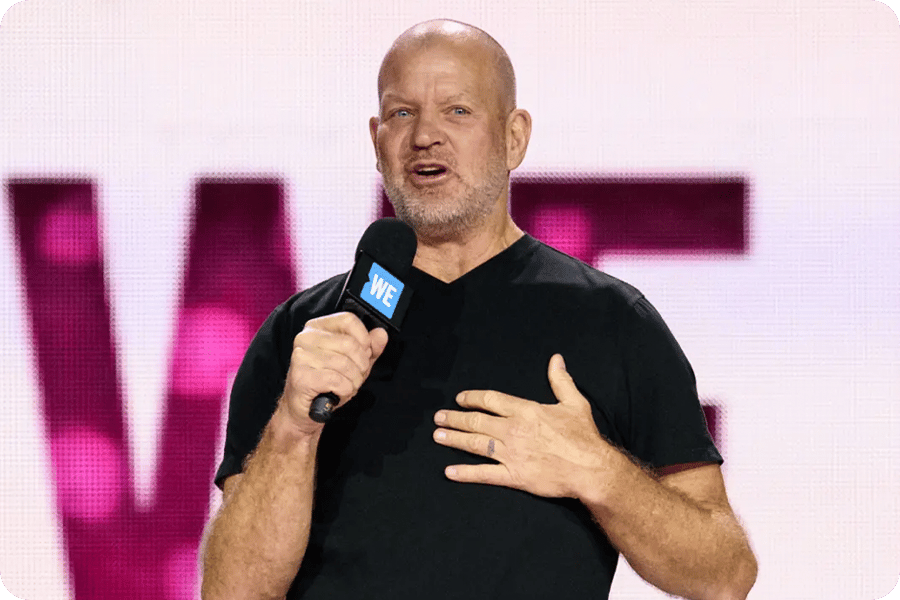
Lululemon founder, Chip Wilson
However, even as the brand enjoyed seemingly unstoppable growth throughout the 2010s, cracks in the company were already forming, and it wouldn’t take long before everything started to unravel.
Controversy: As far back as 2013, Lululemon was already making headlines for releasing see-through leggings. However, at the time, the company’s CEO decided it would be a good idea to blame his customers for the issue. And even though Chip Wilson later apologized for his comments, after a mounting string of controversies, he stepped away from the company for good in 2015.
However, the brand’s downward spiral didn’t stop there.
Because even though Luluemon’s sales boomed through the pandemic, thanks in large part to the enduring popularity of its original yoga pants, by 2022, people had started returning to the office, and dozens of new competitors had started to emerge.
New Problems: And to make matters even worse, in 2023, the company incurred a $443 million loss on Mirror, which it had acquired just 3 years earlier for $500 million. This, along with inflation and tariffs, has resulted in $LULU ( ▼ 4.91% ) losing over 50% of its value in the last 12 months alone, yet somehow, that’s not even the worst part of this story.
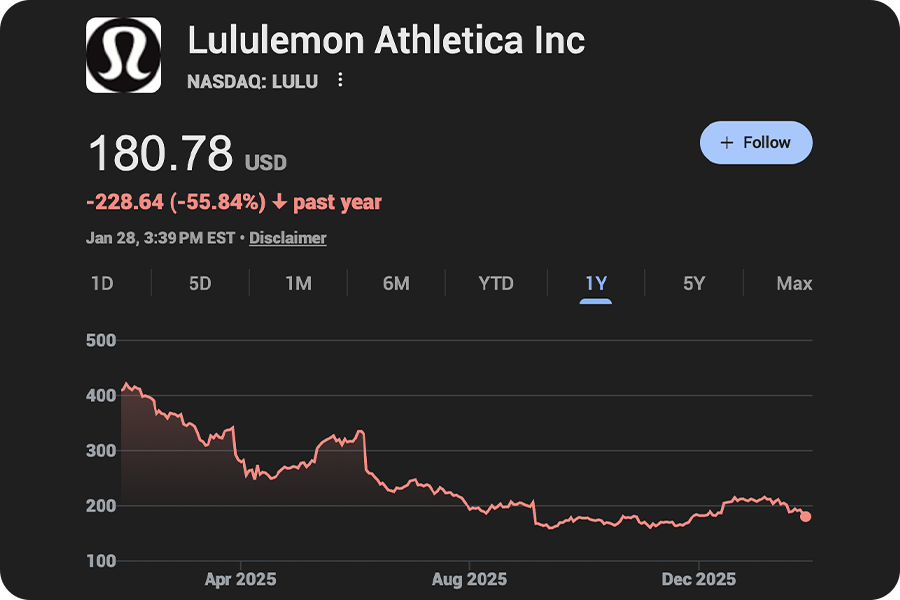
LULU (-55.84% since Jan. 2025)
That’s because, while the company continues to spiral, its former founder is publicly criticizing the brand, saying it has “lost its way.” A point, which Lululemon itself even agrees with, as they’ve come out and said that it feels like its biggest problem is a lack of “newness.”
So how can Lululemon become cool again?
Well, it’s clear to me that the brand needs a differentiating factor in an increasingly crowded market. But whether that means going back to its roots and trying to regain ground with yoga-goers, or finding a new dominant sport, Lululemon needs to do something before it becomes the next Under Armour.
📉 Biggest Loser
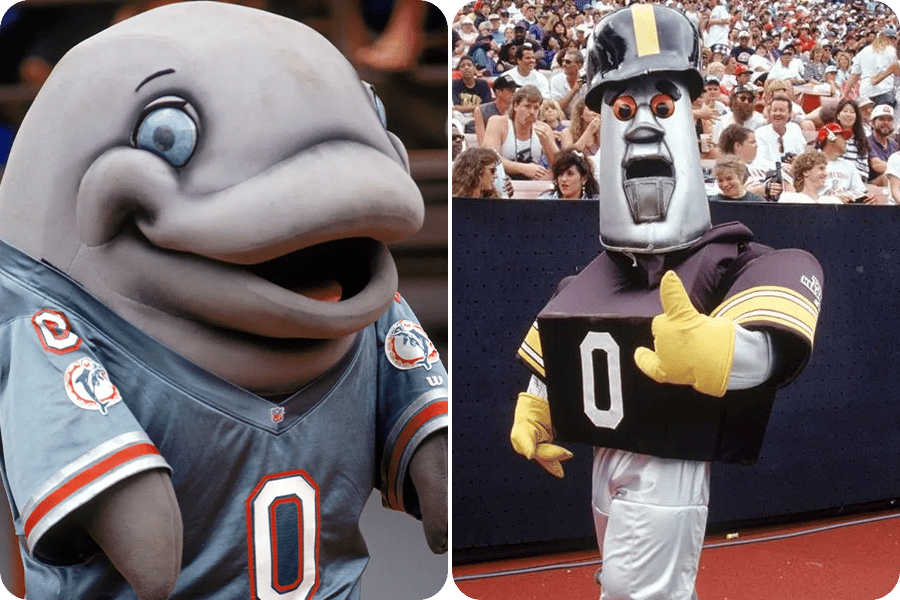
The NFL’s biggest failed experiment actually had nothing to do with football, but it did manage to create one of the league’s most popular mascots.
Marketing Football to Kids: In the 1990s, the NFL was still trying to figure out how to market football effectively to kids. In fact, it tried in the early 80s by creating mascots for every team to sell as plush toys and trading cards, but the program was quickly shut down after none of the new mascots caught on.
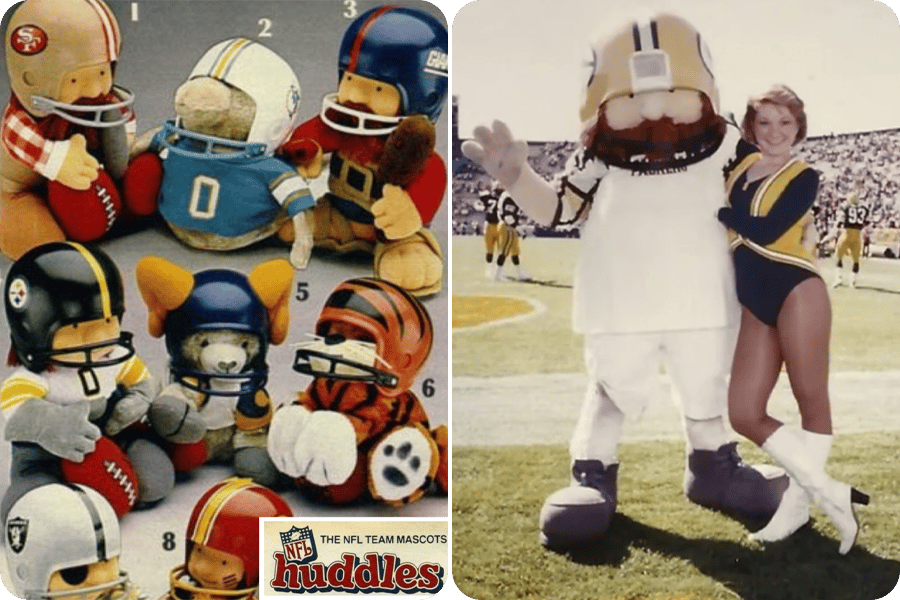
1980s NFL Huddle team toys and mascots
So, less than 10 years later, what did the league decide to do? Well, obviously the same exact thing.
Take Two: During the 1995 Pro Bowl, the NFL rolled out what they called “Team Heros,” which were a collection of mascots for teams that didn’t otherwise have them, and much like they tried just a decade prior, each mascot came with its own collection of collectible toys and trading cards.
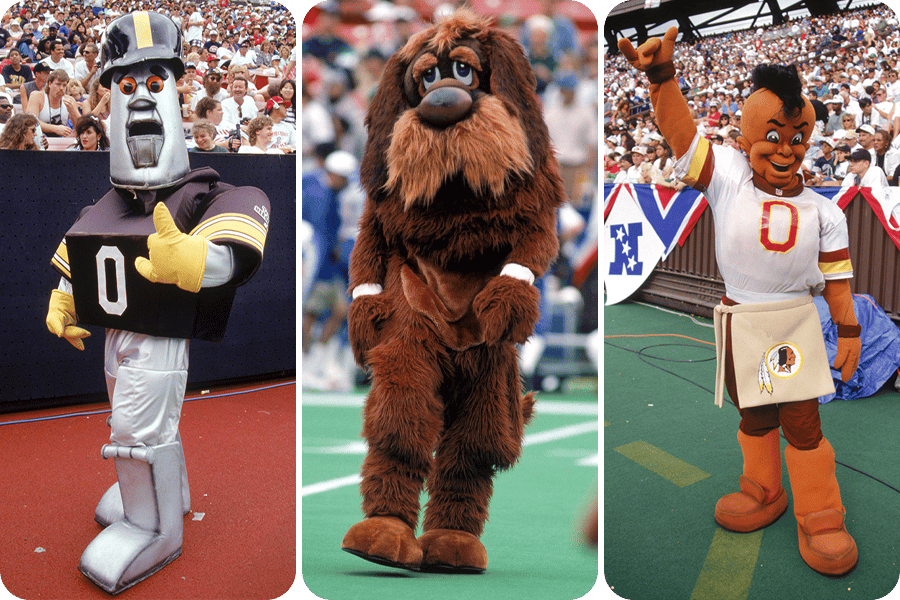
Apparently, not every team got a real-life mascot that year. For example, the Packers’ “Team Hero” was a Polar Bear named “Bayer” and only ever appeared on a trading card, but several other mascots did make an appearance, including “Spike” for the Steelers, “Big Daddy” for the Saints, and one that’s probably best left unnamed.
Never Seen Again: In total, there appeared to be 11 different “Team Hero” mascots present at that year’s Pro Bowl; however, all of them, except for 1, were never seen again. In fact, according to a spokesperson for the NFL, they have no idea why the mascots were made in the first place or why they were used only once.
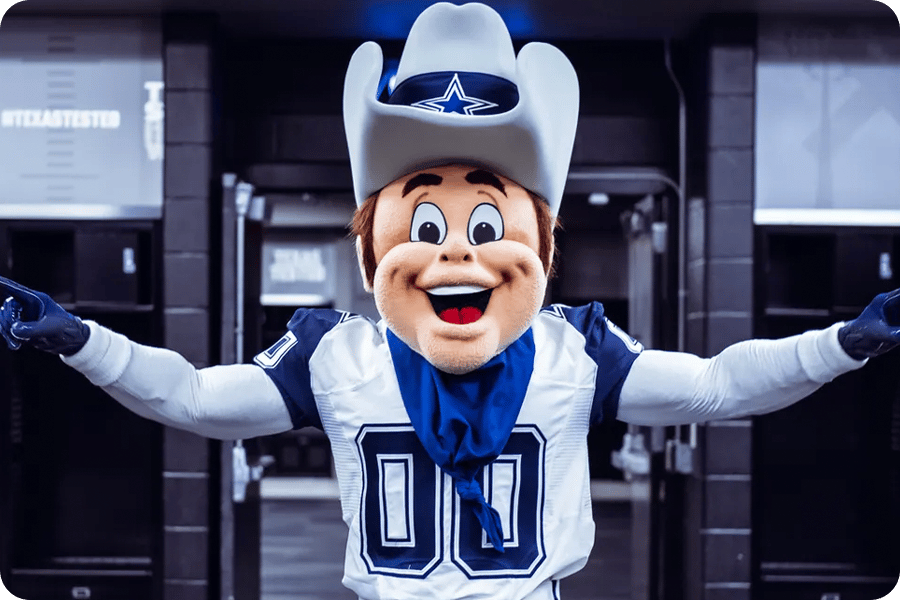
And even though some of these costumes did seem to act as inspirations for their modern-day equivalents, there’s only one Team Hero Mascot that actually survived unchanged: Rowdy the Cowboy. Who, according to one recent survey, has actually become the third most popular mascot in the entire NFL.
Honestly, not bad for an otherwise failed experiment.
🏆 Winner’s Circle
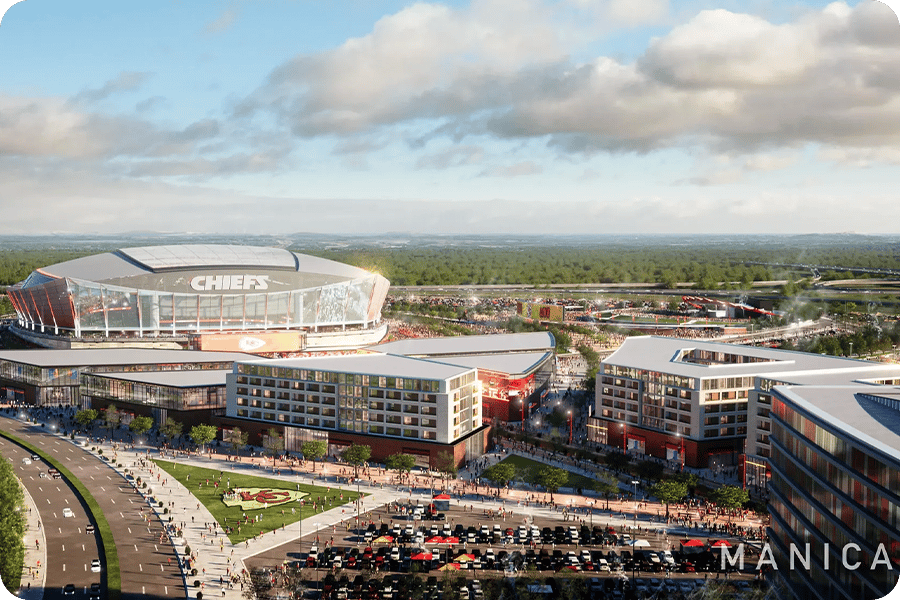
Rendering for the Kansas City Chiefs’ new stadium
Why the hell does every NFL stadium look like this?
And no, I’m talking about how seemingly every team is going to be playing in a dome, I mean, the fact that every stadium is now being surrounded by:
Apartments
Office buildings
Restaurants
It actually reveals one of my favorite trends in sports that no one is really talking about.
Background: In the 1970s, Kansas City started the trend of owners moving their stadiums out of downtown city-centers and into the suburbs, where they could more cheaply build massive, modern facilities surrounded by tens of thousands of parking spots.
Now, the upside here for owners is that they typically get massive taxpayer-funded subsidies to build their stadiums in the middle of nowhere. In fact, one recent study estimates that between 1970 and 2020, state and local governments spent $33 billion in public funds to build major-league stadiums and arenas across the U.S. and Canada, with the median public contribution covering 73% of a venue’s total cost.
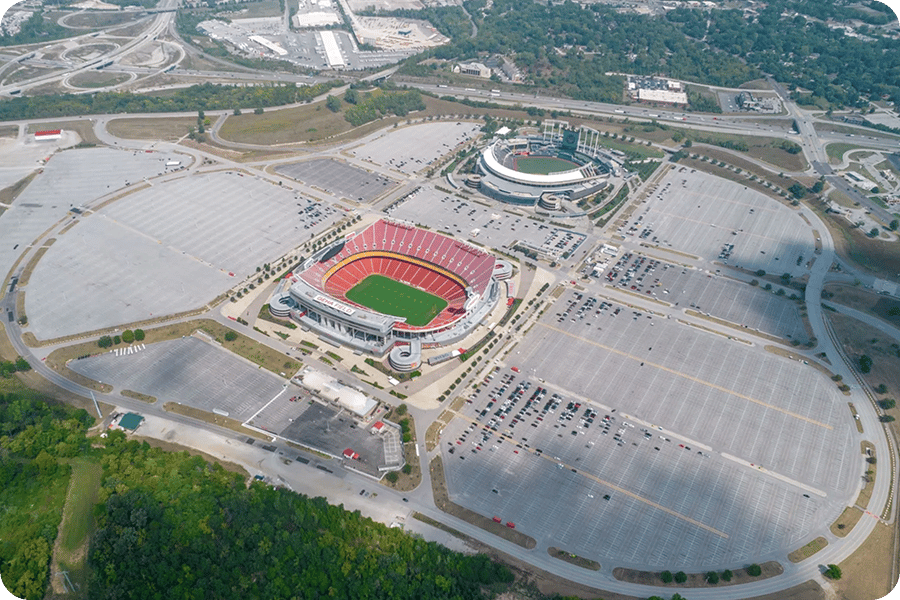
Overhead view of the Truman Sports Complex in Kansas City
And aside from being stuck with nearly three-quarters of the bill, fans also suddenly found themselves sitting in a parking lot for hours every time they wanted to watch their favorite team play.
However, luckily, that has all started to change (and for good reason).
Mixed-Use Developments: Recently, owners, states, and cities have begun to recognize that building stadiums like this isn’t a sound business decision. Because even for sports that play a lot of games, most of these venues sit empty for over 2/3rds of the year, resulting in a ton of wasted real estate.
That’s why, after some early successes with new downtown stadiums like Camden Yards and the Barclays Center, owners started to realize that they could maximize their revenue if they didn’t just own the stadium but everything around it. Which has basically led to every new stadium rendering featuring some sort of “mixed-use development.
But are they actually worth it?
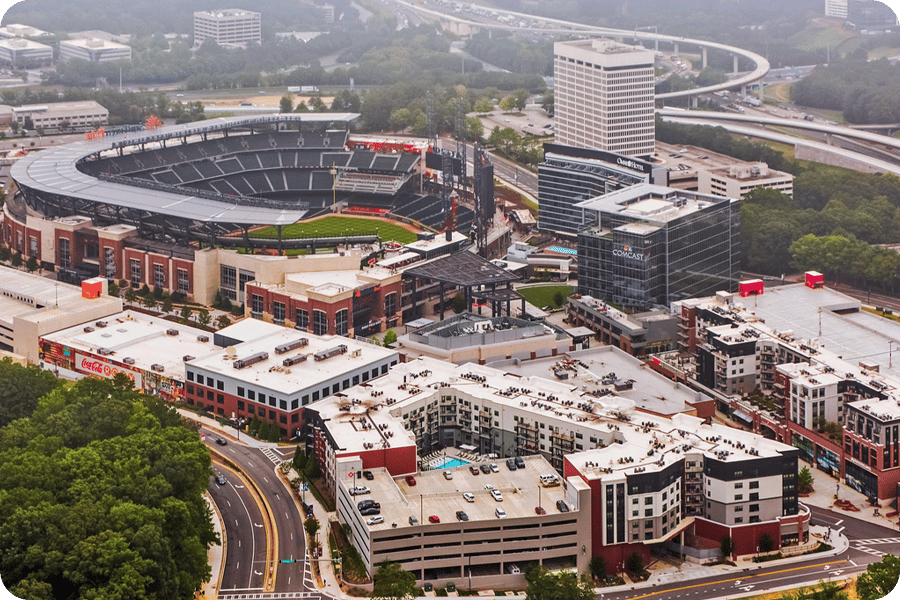
The Battery Atlanta mixed-use development
Let’s take the Atlanta Braves, for example, who used part of their $672 million construction budget to build an entire neighborhood around their ballpark in 2017, which now features:
An office tower
Apartments
A live music venue
These combined earn the team $21 million in operating income per season.
And even though taxpayers in Atlanta were still on the hook for half of this development’s total cost, at least the team used it to build a place fans could actually hang-out year around, instead of just pouring over 100 acres of asphalt.
⏱️ In Other News
When you refer new readers to the Bottom of the Ninth, you win exclusive prizes.

➡️ Here is your unique link to share: https://bottom-of-the-ninth.beehiiv.com/subscribe?ref=PLACEHOLDER
You’re currently at 0. That’s only 1 away from receiving a Bottom of the Ninth Sticker!
*Please do not use fake email addresses — they will not qualify as referrals. Thank you!
👋🏻 Happy Friday!
Before you hit apply, here are a few helpful notes:
Part-Time/Contract (~5-10 hours per week)
Paid ($1,000/mo)
Hybrid role (Twin Cities, MN)
I see this as the perfect role for a local college student studying marketing who wants to earn extra money and gain social media/content experience.
Reply